Current State of Technology and AI Integration
Introduction: The Interweaving of Technology and Life
Over the past few decades, technological development has been reshaping our lifestyles at an astonishing pace, especially with the rise of artificial intelligence (AI). These advances are not limited to professional fields but have penetrated every corner of our daily lives. Innovations such as smartphones, smart homes, and autonomous vehicles are gradually transforming our living experiences, enhancing convenience and efficiency. The relationship between technology and life is no longer one-way; it has become a complex, interactive network.As a frontier of today’s technological development, AI has begun to integrate into important sectors such as education, healthcare, and finance. Through data analysis and machine learning, AI helps people make faster decisions, improve work efficiency, and provide personalized services. Many smart devices we encounter daily are reflections of how technology quietly changes our lives. From voice assistants to recommendation algorithms, AI acts as a key that unlocks a more intelligent lifestyle.The rapid evolution of technology is not only triggering social and economic structural changes but also forcing us to rethink our own roles. As technology becomes increasingly embedded in all aspects of life, what new possibilities will the future hold? People may look forward to a smarter, more convenient life, but they should also be aware of the challenges brought by technological progress, such as privacy issues, employment changes, and ethical considerations.In summary, the interweaving of technology and life not only demonstrates the rapid development of modern society but also sparks our expectations and reflections on the future. All of this promises to push human life to new heights in this bold technological journey.
Current State of Technological Progress and AI Integration
In today’s rapidly evolving tech landscape, advances such as 5G, the Internet of Things (IoT), and cloud computing have profoundly impacted the way we live and work. These technologies not only enhance data transmission speeds and storage capacity but also provide strong support for AI, enabling it to play a vital role in different fields. For example, with 5G networks, AI can process real-time data faster, delivering a smoother user experience.The proliferation of IoT connects various devices, generating massive amounts of data that are crucial for training and optimizing AI algorithms. By analyzing data from smart sensors and devices, AI can identify patterns, make predictions, and automate controls. In healthcare, smart devices can monitor patients’ health in real time. Combined with AI, doctors can obtain more accurate diagnostic recommendations, thereby improving treatment effectiveness.Cloud computing provides a powerful infrastructure for AI applications. Cloud platforms can process massive datasets and support complex algorithm computations, enabling businesses of all sizes to leverage AI. For instance, in education, cloud-based AI systems can personalize learning content and adjust in real time according to each student’s progress. Similarly, in transportation, AI algorithms combined with cloud data can optimize traffic flow, reduce congestion, and improve travel efficiency.In summary, the current integration of technological progress and AI is reshaping multiple industries—from healthcare and education to transportation and manufacturing—demonstrating the transformative potential of these technologies. This shift not only enhances our ability to process information but also creates new possibilities for future life.
Future Tech Life and Human-AI Collaboration Scenarios
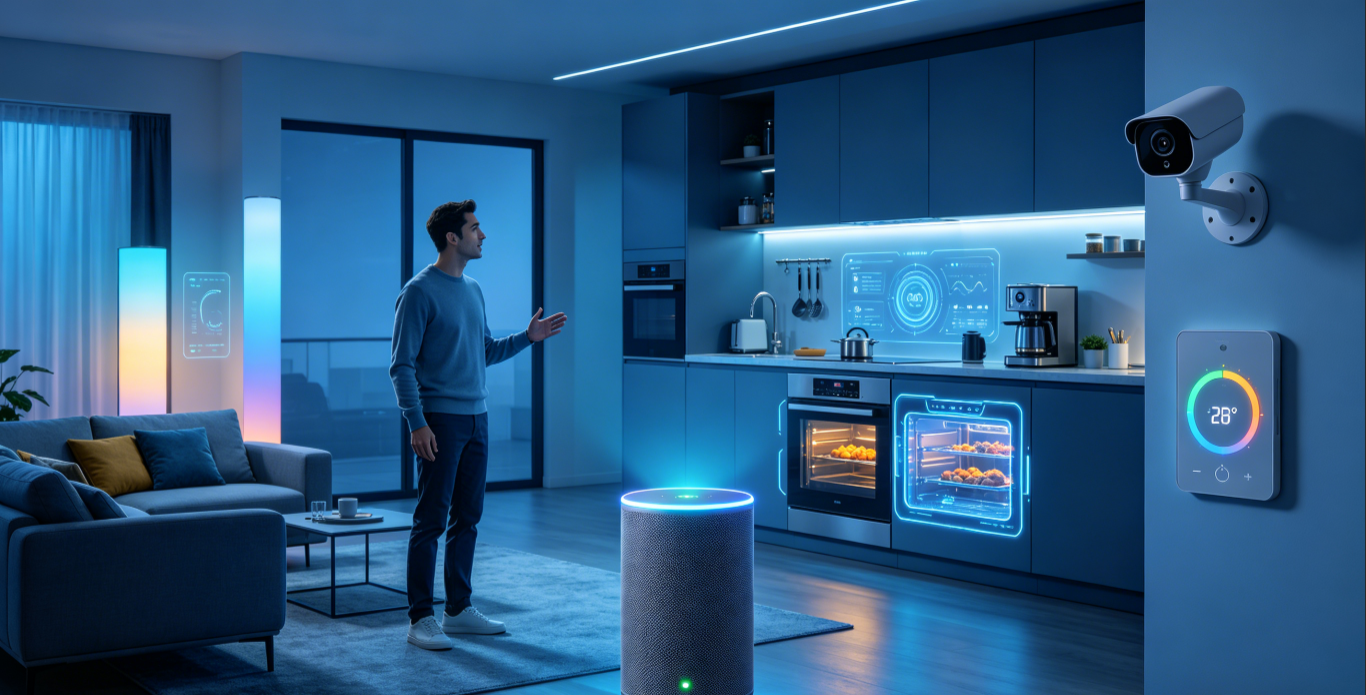
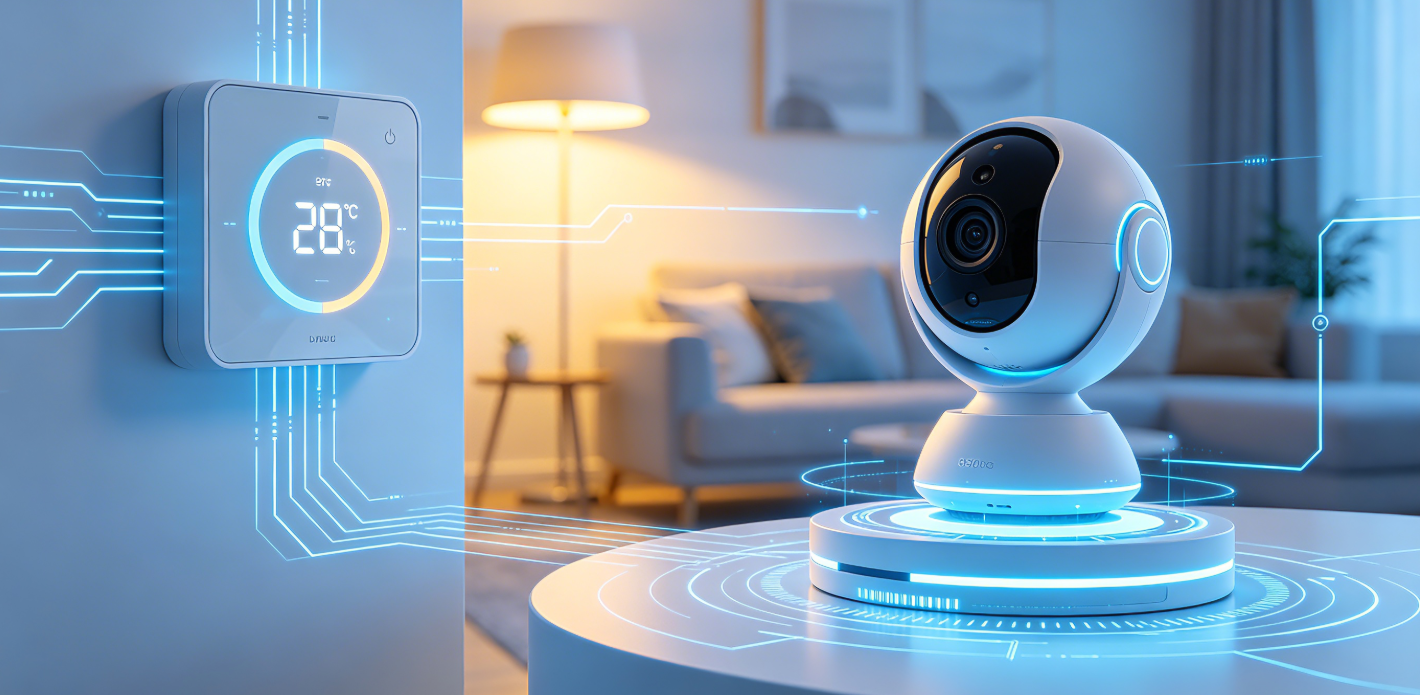
With the rapid development of AI and other technologies, future life will inevitably be profoundly influenced. Smart homes, automated workplaces, efficient transportation systems, and innovative entertainment methods are all important manifestations of this change. First, in home life, the proliferation of smart devices will bring unprecedented convenience. For example, smart speakers can control lighting, temperature, and security systems via voice commands, enhancing comfort and safety. Smart kitchen appliances will make cooking more efficient, saving time and improving meal quality.
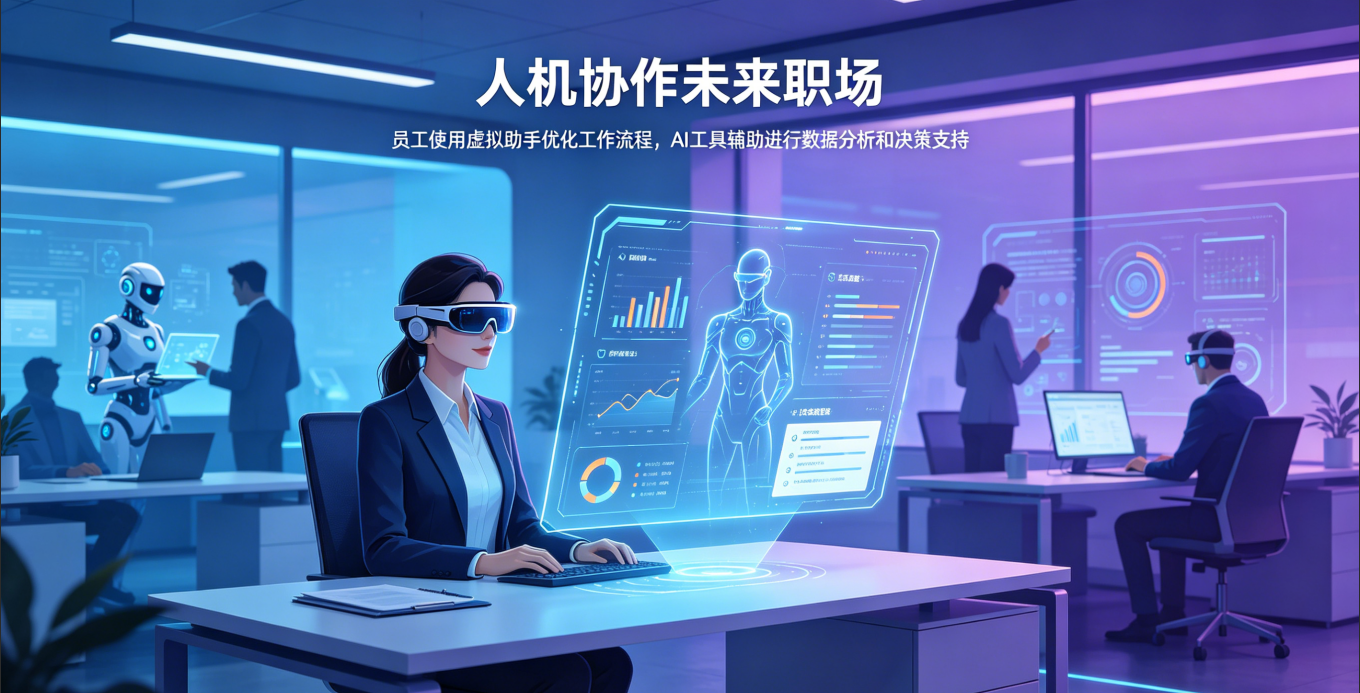
In the workplace, remote work models will increasingly become the norm. With AI, team collaboration and project management will gain new momentum, and employees can use virtual assistants to optimize workflows. AI tools for data analysis and decision support will enable companies to respond more quickly to market demands. This shift not only improves work efficiency but also enhances employee experience.
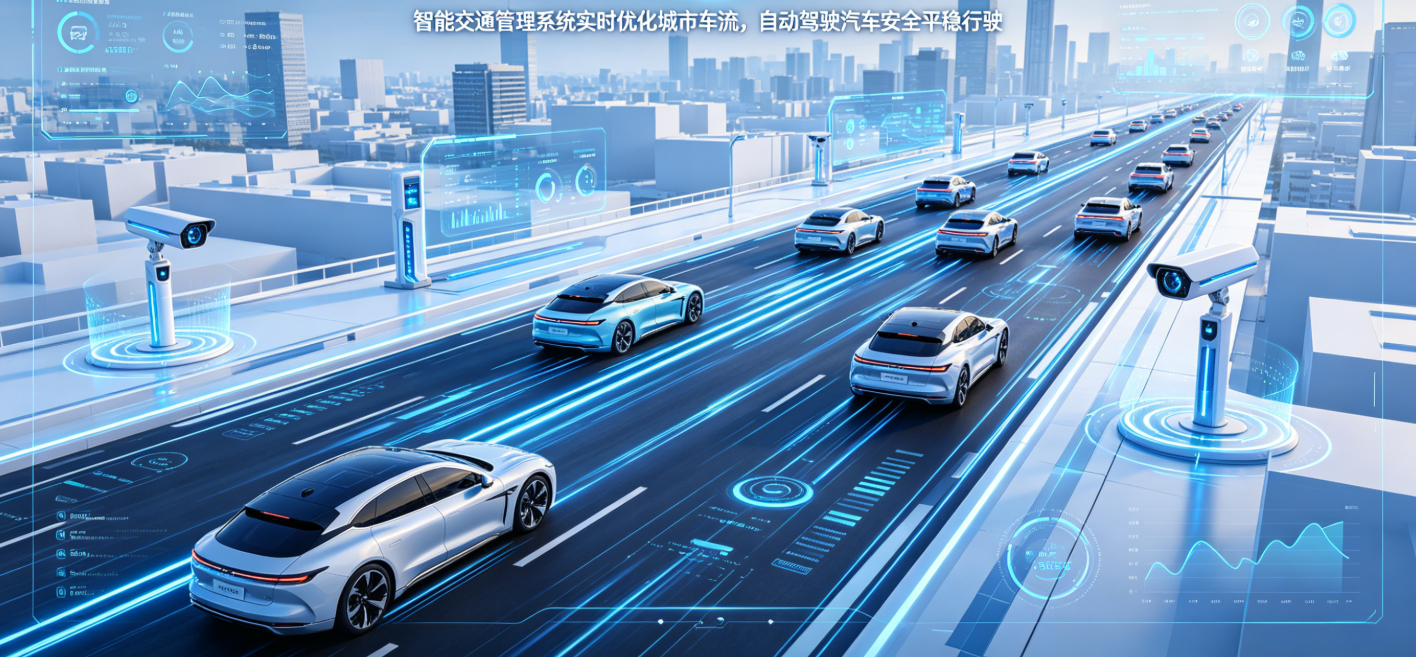
The transportation sector will further evolve. Future intelligent transportation systems will optimize road usage through real-time data analysis, alleviating traffic jams. The introduction of autonomous driving technology is expected to make commuting safer and more efficient. Meanwhile, sustainable transport options such as electric vehicles and ride-sharing platforms will encourage people to reduce personal car usage, promoting environmental protection.
Entertainment will also see new developments thanks to technological advances. Virtual reality (VR) and augmented reality (AR) will transform entertainment experiences, making them more immersive and interactive. Users will enjoy more personalized content in virtual spaces, increasing diversity and engagement. In conclusion, AI and technological development will lay a solid foundation for a smarter, more convenient personal life, with far-reaching social effects.
Revolution in Educational Technology and the Future
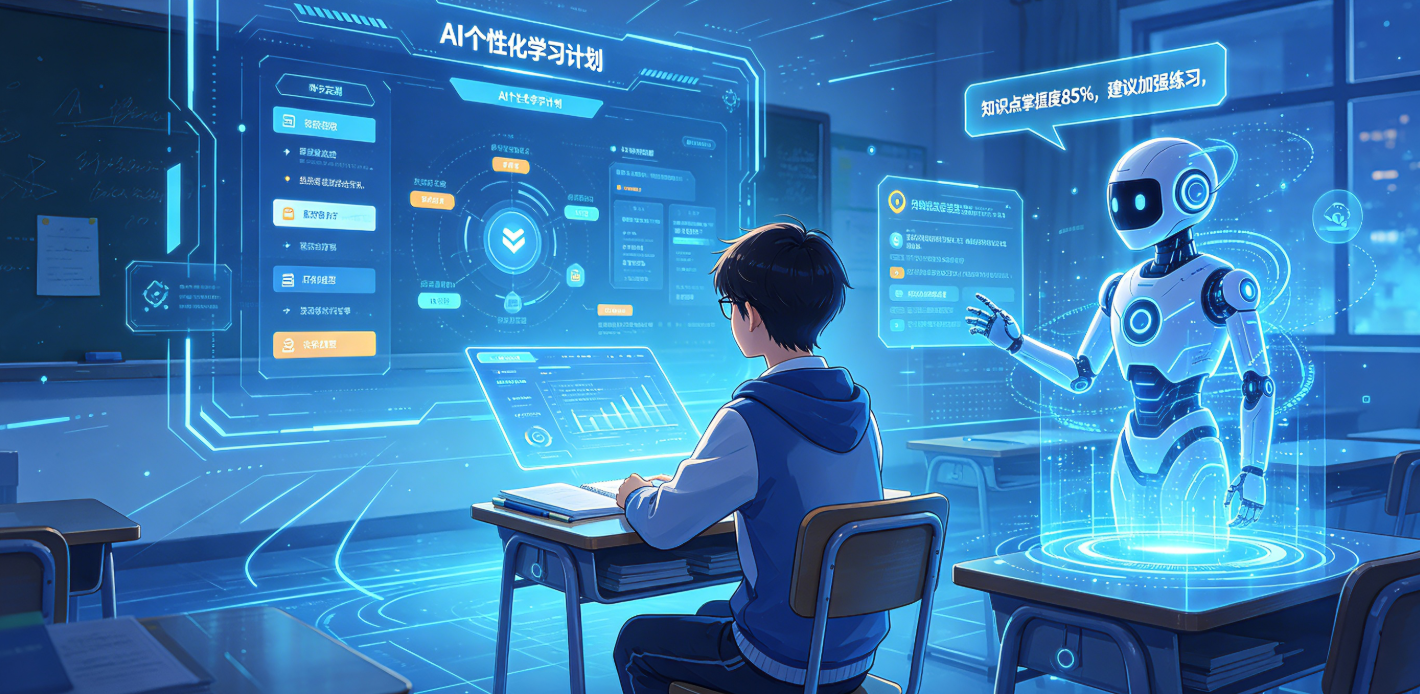
With rapid technological advancement, AI applications in education are becoming increasingly significant, bringing profound changes to learning methods. Personalized learning is becoming a trend. By analyzing students’ learning habits and progress, AI can tailor study plans for each student. This approach not only improves targeting but also enhances student motivation, allowing each student to learn at their own pace and maximize learning outcomes.The rise of virtual classrooms also reflects AI’s impact on education. Using real-time video and interactive technology, teachers and students can communicate across geographic boundaries. Virtual classrooms ensure fair distribution of educational resources and provide quality education opportunities for students in remote areas. Meanwhile, AI can offer instant feedback through intelligent assistants or chatbots, helping students solve problems during learning.
Online education platforms will also be greatly improved by AI. Platforms can analyze big data to identify commonalities and differences among learners, optimizing teaching content and methods. This data-driven approach makes online education more efficient and personalized. AI assessment tools can accurately analyze student learning outcomes, providing data support for course improvement.In the future, the combination of educational technology and AI will significantly improve teaching quality and learning efficiency. Through personalized learning, virtual classrooms, and advanced online platforms, AI’s application in education will undoubtedly open new possibilities for every learner.
Ethical Challenges and Hope for the Future

Ethics and Privacy in the Age of AI
With the rapid development of AI technology, society is undergoing unprecedented changes. While providing forward-looking technological applications, these changes also raise a series of ethical and privacy issues. These issues involve not only the application of the technology itself but also the protection of personal data and core social ethics.
Against the backdrop of technology increasingly integrating into daily life, AI is being used more widely—for example, in smart assistants, personalized recommendations, and automated decision-making. However, these applications often require access to and processing of large amounts of user data, raising deep concerns about privacy security. While enjoying the convenience of technology, are people sacrificing their personal privacy? The risk of data leaks and misuse has become a major challenge facing society today.
To address these issues, all sectors of society are exploring a balance between technological progress and personal privacy. On one hand, promoting stricter data protection laws and regulatory frameworks is particularly important. For example, the implementation of GDPR (General Data Protection Regulation) in Europe has established an important foundation for trust between companies and users, enhancing overall social security by protecting user data privacy.
On the other hand, companies need to fully consider ethical factors when developing AI technologies. This includes paying more attention to algorithm transparency, ensuring algorithms are free from bias, and establishing effective monitoring mechanisms to correct potential ethical issues promptly. By integrating ethical and social responsibility concepts at every stage of AI development and application, we can better promote the sustainable development of technology.
Conclusion: Hope and Outlook for Future Tech Life
In our bold speculation about future tech life, we can clearly see that the integration of AI and other technological advances will bring unprecedented opportunities. This integration will not only drive development across industries but also inevitably transform individuals’ daily lifestyles. Through the proliferation of smart devices and enhanced data processing capabilities, people will handle various tasks in life and work with greater efficiency and convenience, creating richer and more colorful life experiences.
Although future tech life brings many exciting possibilities, we cannot ignore the accompanying moral and social challenges. With the widespread application of AI, how to ensure that technological development does not come at the cost of humanity has become an urgent issue to address. While promoting technological innovation, we must value human-centered design and ethical considerations, ensuring that everyone can equally enjoy the benefits of these technologies.
In the future, as technology continues to advance, the relationship between people and technology will become even closer. We should embrace this transformation with an open mind and actively explore how to use AI and other cutting-edge technologies to improve quality of life. We hope that everyone can find their place in this era of innovation and change and participate in the journey of creating the future of life.
In short, the outlook for future tech life is exciting. We have reason to believe that through the perfect combination of technology and human-centered design, a better tomorrow will be created. Let us look forward to the arrival of this new era together.